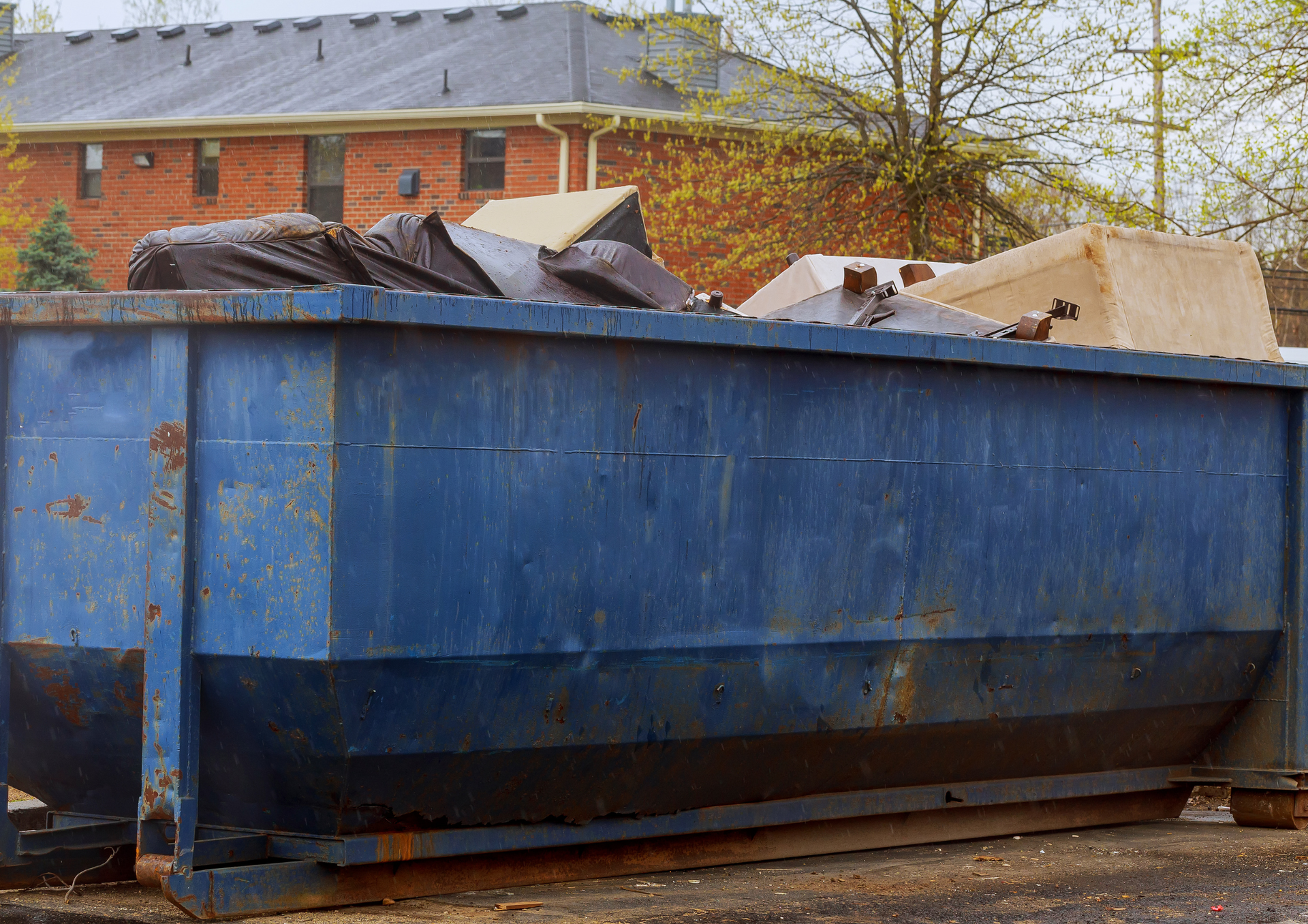


How Hiring Mini Skip Hire Makes Household Waste Disposal Much Easier
Managing household waste can become challenging when unwanted items begin accumulating during home improvements, seasonal clearances or everyday property maintenance. From old furniture and damaged fittings to garden debris and general household rubbish, finding a practical way to dispose of unwanted materials is essential for keeping residential spaces organised.
For smaller projects, mini skip hire provides a convenient waste removal solution without requiring the space associated with larger containers. It allows homeowners, landlords and property managers to collect unwanted materials in one designated location, reducing clutter and making the disposal process easier to manage.
Whether clearing a spare bedroom, refreshing a garden or preparing a rental property for new occupants, choosing the right waste container can make a considerable difference. A well-planned approach helps reduce unnecessary journeys to disposal facilities, keeps working areas accessible and allows projects to progress more efficiently.
For properties in Cannock and surrounding communities, practical waste management is particularly useful when dealing with limited driveways, residential streets and smaller outdoor spaces. However, the same considerations apply to household projects throughout the UK.
Understanding the benefits of compact waste containers, their suitable applications and the importance of responsible disposal helps property owners make informed decisions. With appropriate planning, even a relatively small container can make household waste removal considerably more straightforward.
Understanding the Benefits of Smaller Skips for Household Waste
Smaller waste containers are designed to accommodate modest amounts of rubbish without occupying unnecessary space. They are particularly useful for household projects where a full-sized container would provide more capacity than required.
Choosing a small skip hire allows property owners to manage everyday waste efficiently while maintaining convenient access around their homes. Understanding the main advantages can help determine whether a compact container is appropriate for a particular project.
Convenient Waste Collection
- A dedicated container provides one organised location for unwanted household materials, reducing the need to leave rubbish scattered around the property.
- Waste can be placed inside as work progresses, helping maintain tidy rooms, driveways and outdoor areas.
- Having a container available throughout the agreed hire period allows homeowners to work at a manageable pace without repeatedly arranging disposal journeys.
- Once the project is complete, collection can be arranged according to the provider's booking procedures.
Suitable for Limited Spaces
- Compact containers are often practical for properties with smaller driveways, restricted outdoor areas or limited space for delivery vehicles.
- Their smaller dimensions can make positioning more straightforward than larger alternatives, provided there is sufficient access.
- Careful placement helps preserve access to entrances, garages and frequently used areas.
- Discussing available space before booking allows the provider to assess whether the requested container can be delivered safely.
Practical for Short Household Projects
- Smaller containers are particularly useful for weekend clearances, minor decorating work and household decluttering.
- They provide sufficient capacity for many modest tasks without requiring customers to arrange equipment intended for major construction projects.
- Having a planned collection date encourages customers to organise their work within a practical timeframe.
- Clear arrangements can help reduce disruption to normal household routines.
Easier Waste Organisation
- Keeping unwanted materials in one place helps separate rubbish from items that will be retained, donated or reused.
- Homeowners can organise waste as each room or outdoor area is cleared.
- A designated disposal point helps prevent loose materials from spreading around working areas.
- Understanding which materials are accepted before loading supports responsible disposal and reduces the likelihood of rejected waste.
Better Control Over Project Planning
- Estimating waste volumes before booking helps customers select an appropriate container.
- Clear information about delivery, collection and permitted materials allows household tasks to be planned more confidently.
- Choosing suitable capacity reduces the risk of requiring additional arrangements because the original container was too small.
- Professional guidance can help customers avoid unnecessary expense while maintaining an efficient disposal process.
These advantages make compact waste containers particularly useful for people who want a straightforward way to manage smaller clearances without introducing unnecessary complications.
Household Projects That Benefit from Compact Waste Containers
Different household projects generate different quantities and types of rubbish. Understanding the likely waste produced helps homeowners choose suitable disposal arrangements while avoiding unnecessary disruption.
A common reason for hiring a smaller container is household decluttering. Cupboards, spare bedrooms, lofts and garages gradually accumulate unwanted belongings that may no longer serve a practical purpose. Clearing these spaces can improve accessibility and make storage areas more useful.
For example, a homeowner preparing to reorganise a garage might need to dispose of damaged shelving, broken storage boxes, old household fittings and general clutter. Rather than leaving unwanted materials outside while arranging several separate disposal journeys, a compact container provides a central location for suitable waste.
Garden maintenance is another frequent application. Seasonal tidy-ups often produce hedge cuttings, small branches, weeds, soil and other outdoor materials. The quantity can increase quickly, particularly when gardens have not been maintained for some time.
Customers searching for mini skip hire near me are often looking for a convenient local solution that can accommodate these everyday projects without requiring an unnecessarily large container. Comparing available sizes, accepted materials and collection arrangements helps identify a suitable option.
Decorating work can also generate more rubbish than expected. Removing wallpaper, replacing damaged skirting boards, clearing old flooring and disposing of packaging materials can quickly create clutter. A suitable container helps keep waste away from active working areas while allowing the improvements to continue.
Bathroom and kitchen updates require more careful consideration because removed fittings, tiles and other building materials may be particularly heavy. Even when the physical volume appears modest, the total weight can affect which container is suitable. Customers should explain the expected materials before booking rather than assuming every type of rubbish can be placed together.
Landlords preparing rental properties for new occupants may also benefit from compact waste removal arrangements. Between tenancies, properties sometimes require minor repairs, replacement furnishings and general clearance work. Organised disposal helps prepare rooms for cleaning, maintenance and inspection.
Surveyors and property managers may identify areas requiring attention during property assessments. Where remedial work involves removing damaged materials or unwanted fixtures, arranging suitable waste disposal can support a more organised maintenance programme.
Local authorities and housing organisations may face similar requirements when maintaining residential properties, communal areas or smaller facilities. Clear scheduling and appropriate waste handling are important when coordinating work across several locations.
For every type of project, customers should consider whether the container will accommodate the expected materials, whether the delivery location is accessible and whether any restrictions apply.
It is also important to avoid placing prohibited items into general waste containers. Materials such as asbestos, certain electrical equipment, batteries, chemicals and hazardous substances may require specialist arrangements. Confirming the provider's acceptance policy before starting work helps prevent unnecessary delays.
Ultimately, the most suitable solution depends on the project's scale rather than simply the number of rooms or areas being cleared. A small room containing heavy renovation debris may require different arrangements from a larger space containing lightweight household rubbish.
Choosing the Correct Container Size for Your Waste
Selecting an appropriate container involves considering both the amount of rubbish and the materials being removed. A compact option may be sufficient for smaller projects, but careful assessment is important before confirming a booking.
For many households, a mini skip offers a practical balance between manageable dimensions and useful waste capacity. However, customers should understand that actual container dimensions and loading limits can vary between providers.
Small Household Clearances
- Assess the amount of unwanted rubbish before beginning the clearance.
- Identify bulky items that may occupy more space than expected.
- Separate belongings suitable for donation, resale or reuse before arranging disposal.
- Allow reasonable capacity for additional waste discovered during the project.
- Avoid choosing a container based solely on the apparent size of the room being cleared.
Garden Maintenance
- Estimate the quantity of hedge cuttings, branches, leaves and general garden debris.
- Consider whether soil, turf or other heavy materials will be included.
- Check which types of green waste the provider accepts.
- Keep waste within the permitted loading level rather than allowing materials to extend above the container.
- Plan collection after the main garden work has been completed.
Decorating and Minor Renovations
- Identify materials such as wallpaper, timber, flooring and damaged fixtures before booking.
- Consider whether heavier debris could affect the permitted loading weight.
- Ask about restrictions relating to plasterboard, electrical items or specialist materials.
- Organise the work so rubbish can be transferred to the container without obstructing access routes.
- Avoid mixing prohibited materials with general household waste.
Understanding Smaller Capacity Options
- 2 yard skip hire may be suitable for modest clearances involving limited quantities of household rubbish or renovation debris.
- A two-cubic-yard container holds approximately 1.53 cubic metres of material, although its physical dimensions vary by design.
- Larger compact options may be more appropriate where waste volumes are difficult to estimate.
- Customers should consider both available space and permitted weight before choosing.
- Confirming the intended waste type with the provider helps determine whether a particular capacity is suitable.
Delivery and Placement Considerations
- Measure the available driveway or private parking area before arranging delivery.
- Check for low branches, overhead cables, narrow entrances and other obstacles that could affect vehicle access.
- Consider whether the delivery vehicle will have sufficient room to manoeuvre.
- If placement on a public road is necessary, check whether permission from the relevant highway authority is required.
- Make sure the chosen location allows household members, visitors and contractors to move around the property safely.
Avoiding Common Booking Mistakes
- Do not underestimate the amount of rubbish likely to be generated.
- Avoid selecting a larger container without considering whether sufficient placement space is available.
- Confirm the agreed hire period and collection arrangements in advance.
- Ask whether any additional charges may apply to extensions, restricted materials or unsuccessful collection attempts.
- Obtain clear information about loading restrictions before placing waste inside.
Taking these steps helps customers make practical decisions and reduces the likelihood of unnecessary changes once the container has been delivered.
Planning Waste Removal for a More Convenient Household Clearance
Successful household waste removal begins before the container arrives. Organising the project, identifying unwanted materials and confirming the delivery arrangements can make the process significantly easier.
One of the first steps is creating a realistic plan for the work. Homeowners should consider which rooms or outdoor areas will be cleared, how much waste is likely to be produced and whether the project can be completed within the agreed hire period.
For example, a weekend garage clearance may involve sorting stored belongings on the first day and removing unwanted materials on the second. A decorating project could require several stages, including removing old fittings, completing repairs and clearing packaging. Understanding these stages helps determine when the container should arrive.
Customers comparing small skips should also consider how the equipment will fit into the available space. While smaller containers can be convenient, the delivery vehicle still needs adequate access. A compact container cannot necessarily be positioned in every narrow driveway or restricted parking area.
Preparing the delivery location is equally important. Vehicles, loose objects and temporary obstacles should be moved where practical. Customers should also consider whether the proposed position could interfere with pedestrian access, neighbouring properties or essential services.
Once the container arrives, careful loading helps maximise its usefulness. Larger permitted items can be positioned thoughtfully, while smaller materials can fill suitable gaps. However, customers should avoid forcing materials into the container, overloading it or exceeding the permitted fill line.
Heavy materials deserve particular attention. Bricks, soil, rubble and concrete can reach a container's weight limit before it appears full. Where these materials form a substantial part of the waste, customers should discuss their requirements with the provider in advance.
Responsible disposal also involves considering whether everything needs to be thrown away. Furniture in usable condition, working household appliances and unwanted belongings may be suitable for donation, reuse or resale. Separating these items before loading can reduce the amount requiring disposal.
Waste electrical equipment, hazardous substances and other restricted materials should be handled through appropriate collection or disposal routes. Customers should never assume that an item is acceptable simply because it fits inside the container.
For landlords and property managers, communication with occupants can also improve the process. Informing residents about delivery arrangements, access requirements and collection dates helps minimise disruption, particularly in shared residential environments.
Commercial property managers and local authorities may need additional coordination where contractors, maintenance teams and building users share the same site. Clear responsibilities and suitable scheduling can help maintain safe access throughout the work.
Another important consideration is the collection date. Some projects finish earlier than expected, while others require additional time. Understanding the provider's procedures for changing collection arrangements helps customers respond appropriately if the schedule changes.
Before collection, the area surrounding the container should be checked for loose waste or obstacles. The contents should remain within the permitted loading level, and the collection vehicle should have suitable access.
It is also useful to review the completed clearance before the container is removed. This provides an opportunity to identify any remaining suitable waste and avoid discovering additional unwanted materials immediately after collection.
A well-organised approach reduces unnecessary effort and helps make waste disposal a manageable part of household maintenance rather than a separate source of inconvenience.
Hiring a smaller waste container can make household disposal considerably more convenient when the equipment is matched to the project's requirements. Whether clearing unwanted belongings, maintaining a garden, decorating a room or preparing a property for new occupants, organised waste removal helps maintain accessible and productive working areas.
For modest household projects, mini skip hire can provide a practical option when the amount of waste does not justify a larger container. Assessing the expected volume beforehand helps ensure the chosen size provides sufficient capacity without taking up more space than necessary.
The most important consideration is selecting an appropriate capacity for both the volume and type of material being removed. Smaller containers can provide a practical solution for modest clearances, but heavy renovation debris, restricted materials and larger projects may require different arrangements.
Planning delivery access, confirming acceptable waste and understanding collection procedures also contribute to a smoother experience. Customers who consider these details before booking are better prepared to avoid unnecessary delays and unexpected complications.
Responsible disposal should remain part of the process from beginning to end. Reusing suitable items, separating recyclable materials where practical and following the provider's waste acceptance requirements can help reduce unnecessary disposal.
For homeowners, landlords, surveyors, local authorities and those responsible for residential or commercial properties, convenient waste management is ultimately about choosing a solution that supports the work being undertaken. With careful preparation and dependable arrangements, household clearances can become simpler, more organised and easier to complete.
Skip Hire Cannock provides practical waste removal solutions for homeowners, landlords, surveyors, local authorities and businesses managing projects throughout Cannock and surrounding areas. Our approach focuses on clear communication, suitable container selection and organised delivery and collection arrangements, helping customers understand their options before making a booking.
Whether you are planning mini skip hire for a household clearance, garden improvement or smaller renovation, we aim to provide straightforward guidance based on the type of waste, expected volume and available space. We understand that every property has different requirements, from compact residential driveways to larger commercial premises, and that choosing suitable equipment is an important part of keeping work organised.
Our focus is on making the process manageable through practical advice, responsible waste handling and dependable customer support. By considering the individual needs of each project, we aim to help customers arrange an appropriate disposal solution with greater confidence, from their initial enquiry through to final collection.
Check out our latest X update on how
mini skip hire makes household waste disposal easier, helping you manage unwanted rubbish efficiently and keep your property tidy!
You might also like