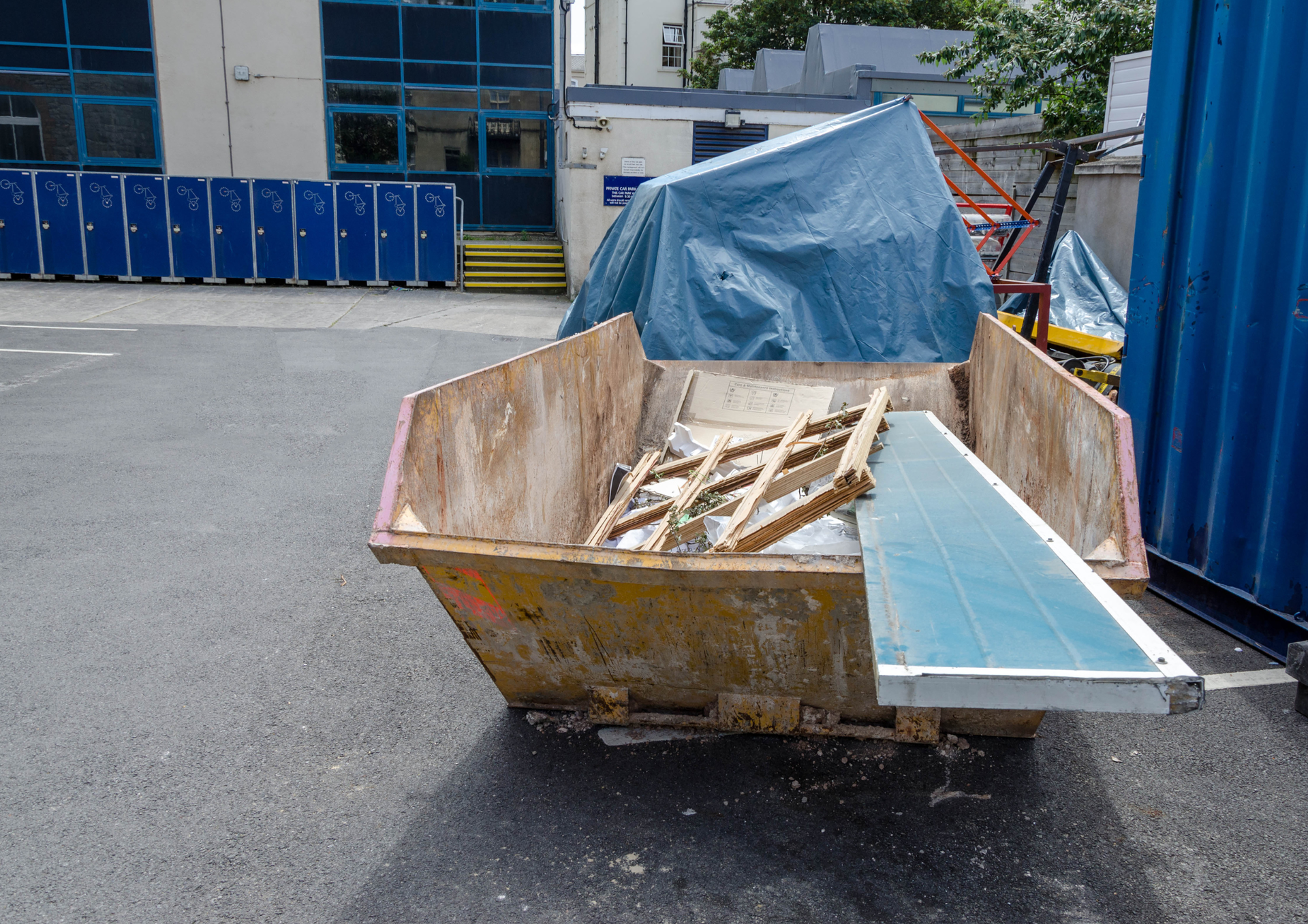


Choosing the Right Skips for Different Household Clearance Projects
Household clearance work can range from removing a few unwanted belongings to emptying an entire property. The amount and type of waste produced can therefore vary considerably, making careful planning important before any work begins. Choosing suitable skips helps keep unwanted materials contained, working areas accessible and the overall clearance easier to manage.
For homeowners, landlords and others responsible for residential properties, estimating the amount of waste is not always straightforward. Furniture, packaging, garden materials, old fittings and general household items can occupy more space once they have been removed from cupboards, lofts, garages and storage areas. A container that initially appears large enough may fill more quickly than expected.
The location of the property should also be considered. In Cannock, as in other towns across the UK, properties range from homes with generous driveways to terraces and premises where access is more restricted. The available space, vehicle access and proposed container position should therefore form part of the planning process.
Matching the Container to Different Household Clearance Projects
Different parts of a home can produce very different quantities of waste. A small bedroom clear-out may only involve boxes and unwanted possessions, while clearing a garage, loft or entire property can generate bulky items and considerably greater volumes. Before you order a skip, it is useful to consider where the waste is coming from and how much space it is likely to occupy once removed.
General Household Decluttering
- Clearing cupboards, spare rooms and storage areas often produces a mixture of unwanted household belongings, packaging and smaller items.
- Sorting possessions before loading makes it easier to identify anything that should be retained, donated or handled separately.
- Estimating the number of bags or boxes can provide a useful starting point when considering capacity.
- Breaking down suitable bulky items may help make more efficient use of the available space.
Loft and Attic Clearances
- Lofts can contain belongings accumulated over many years, meaning the final waste volume may be greater than initially expected.
- Old boxes, broken furniture, decorations and stored household items should be assessed before choosing capacity.
- Bringing everything down before making a final estimate can provide a clearer idea of the amount requiring disposal.
- Safe access through the property should be maintained while materials are being moved.
Garage and Shed Clearances
- Garages and sheds often contain a combination of household possessions, timber, garden materials and old DIY items.
- Customers should identify any materials that require separate handling before loading begins.
- Clearing the area in stages can make sorting easier and prevent reusable possessions from being discarded accidentally.
- Larger objects should be considered when estimating how quickly the available capacity may be used.
Full Property Clearances
- Emptying an entire home generally requires more planning than clearing an individual room.
- Working systematically through different areas makes it easier to monitor the amount of waste being generated.
- Bulky furnishings and accumulated possessions can occupy considerable space even when the property initially appears relatively uncluttered.
- Estimating waste room by room can provide a more realistic picture than trying to assess the whole property at once.
Planning Access, Placement and Collection Before Work Starts
Capacity is only one part of choosing an appropriate waste removal solution. Customers should also think carefully about where the container will be positioned and how the delivery vehicle will reach the property. A reliable skip company should be able to discuss practical requirements before delivery so potential access difficulties can be identified early.
Private driveways are often convenient locations because waste can be carried directly from the property to the container. However, the driveway must provide sufficient space and suitable access for delivery and later collection. Gates, parked vehicles, overhanging trees and narrow entrances can all affect how easily equipment can be positioned.
Properties without suitable private space may require a different approach. Where placement on a public road is being considered, customers should establish the applicable local requirements before booking. Rules and arrangements can vary, so it is sensible to confirm what is needed rather than assuming the same conditions apply everywhere.
Timing should also be considered. If a clearance is expected to take several days, arranging delivery shortly before work begins means capacity is available when it is needed. Equally, customers should have a realistic idea of when the work will finish so collection can be planned without leaving a full container unnecessarily occupying useful space.
Access should remain clear throughout the project. Waste should not be allowed to obstruct entrances, pavements or areas needed by residents, contractors or other site users. Planning a straightforward route from the property to the container can make repeated loading considerably easier.
Weather can influence clearance work as well. Garden clearances and projects involving external storage areas may become more difficult during periods of heavy rain, while strong winds can make loose lightweight materials harder to control. Keeping waste contained and organising the work carefully helps maintain a tidier site in changing conditions.
Selecting Capacity for Larger Clearances and Renovation Waste
Some household clearances are connected with refurbishment, moving home or preparing a property for new occupants. These projects can produce substantially more material than routine decluttering. A builders skip may be considered where the volume and nature of suitable waste justify greater capacity, although the correct choice should always be based on the individual project.
Renovation-Related Clearances
- Removing old fixtures and preparing rooms for refurbishment can produce bulky and heavy materials.
- Customers should estimate waste after considering every stage of the planned work rather than only the initial clearance.
- Separating renovation debris from possessions that will be reused can make the process more organised.
- Guidance should be obtained where there is uncertainty about whether particular materials can be accepted.
Moving Home
- Preparing for a house move often reveals belongings that are no longer needed.
- Clearing unwanted items before packing can reduce clutter and make the moving process easier to organise.
- Working through one room at a time helps prevent useful belongings from becoming mixed with discarded materials.
- Early planning provides enough time to sort possessions rather than making rushed decisions immediately before moving day.
Rental Property Clearances
- Landlords may need to remove abandoned furniture, damaged household items or general rubbish before preparing a property for future occupation.
- Assessing every room, storage area and external space provides a more accurate estimate of the total waste volume.
- Scheduling removal alongside cleaning and maintenance can help reduce disruption between different stages of work.
- Keeping access routes clear allows other property tasks to proceed more efficiently.
Larger Residential Projects
- Major clearances may involve several rooms, garages, sheds and gardens at the same time.
- Estimating each area separately can provide a more realistic indication of total capacity requirements.
- Bulky materials should be considered carefully because they can use available space quickly.
- Professional guidance can be useful where customers are uncertain whether one larger container or another arrangement would be more practical.
Choosing capacity according to the actual project helps prevent unnecessary interruptions. It also allows homeowners and property professionals to coordinate waste removal with decorating, repairs, cleaning and other work taking place at the property.
Managing Smaller Clearances Without Hiring Unnecessary Capacity
Not every household project generates a large amount of waste. For compact clearances, a mini skip can provide a practical option where the expected volume is relatively modest and available placement space may be limited.
A spare-room clear-out, small garden tidy or straightforward decluttering project can sometimes be completed without requiring substantial capacity. Accurately estimating the waste beforehand helps avoid paying for space that is unlikely to be used.
Smaller options can also be useful at properties where driveway space is restricted. Nevertheless, customers should still check access requirements carefully. A compact container requires delivery and collection by a suitable vehicle, so sufficient access remains necessary.
The way materials are loaded can affect how effectively the available capacity is used. Placing larger suitable items carefully rather than throwing them in randomly can reduce unused gaps. Boxes that can safely be flattened may occupy less room, while appropriate items that can be dismantled may also use space more efficiently.
Customers should avoid assuming that a small-looking clearance automatically produces a small amount of waste. Cupboards, sheds and garages can contain surprisingly large quantities once everything is removed and gathered together. Assessing belongings before booking provides a more dependable estimate.
It is also sensible to separate possessions before the clearance begins. Items that are being kept, reused or donated should be moved away from the waste-loading area. This reduces confusion once work starts and makes it easier for everyone involved to understand what is being removed.
The same principle applies to both residential and commercial property clearances: suitable capacity should reflect actual requirements rather than assumptions. Careful planning allows waste to be handled efficiently without unnecessarily increasing the scale of the arrangement.
Choosing appropriate
skips
for a household clearance starts with understanding the project itself. A single-room declutter, loft clean-out, garage clearance, renovation and complete property emptying can each generate very different quantities and types of material. Estimating the likely volume before booking makes it easier to select suitable capacity and avoid unnecessary disruption once work begins.
Placement and access deserve equal consideration. Customers should identify a practical location, check that delivery vehicles can reach it and establish any applicable requirements where private land is unavailable. Thinking about these details before the clearance starts can prevent delays and make loading more convenient.
Organisation throughout the project is equally important. Sorting possessions, keeping access routes clear and working through the property systematically can make even substantial clearances easier to manage. Homeowners, landlords, surveyors and local authorities can all benefit from approaching waste removal as a planned part of the wider project rather than something to consider only after rubbish has accumulated.
Although this guidance is particularly relevant to properties throughout Cannock, the same principles can be applied to household clearance work in any UK location. Assessing waste carefully, considering available space and arranging collection at an appropriate time all contribute to a more straightforward process.
Skip Hire Cannock provides practical waste removal solutions for household clearances, renovations and other residential or commercial projects throughout the local area. We understand that requirements can vary considerably, from clearing a small storage space to managing waste from an extensive property project.
Our approach focuses on straightforward communication and helping customers identify suitable skips based on the amount and type of waste they expect to produce. We can discuss capacity, delivery considerations and collection arrangements so customers have a clearer understanding of the process before booking.
Local knowledge is particularly useful when dealing with different property layouts and access conditions around Cannock and surrounding areas. By considering the individual requirements of eac site, we aim to make delivery and collection as straightforward as possible while helping customers keep their projects organised.
Whether you are a homeowner clearing accumulated belongings, a landlord preparing a property, a surveyor coordinating work or an organisation managing a larger site, careful waste planning can make the overall project considerably easier. Our aim is to provide a dependable and practical service that supports responsible waste management from the initial enquiry through to collection.
Check out our latest X update on choosing the right
skips
for different household clearance projects!
You might also like