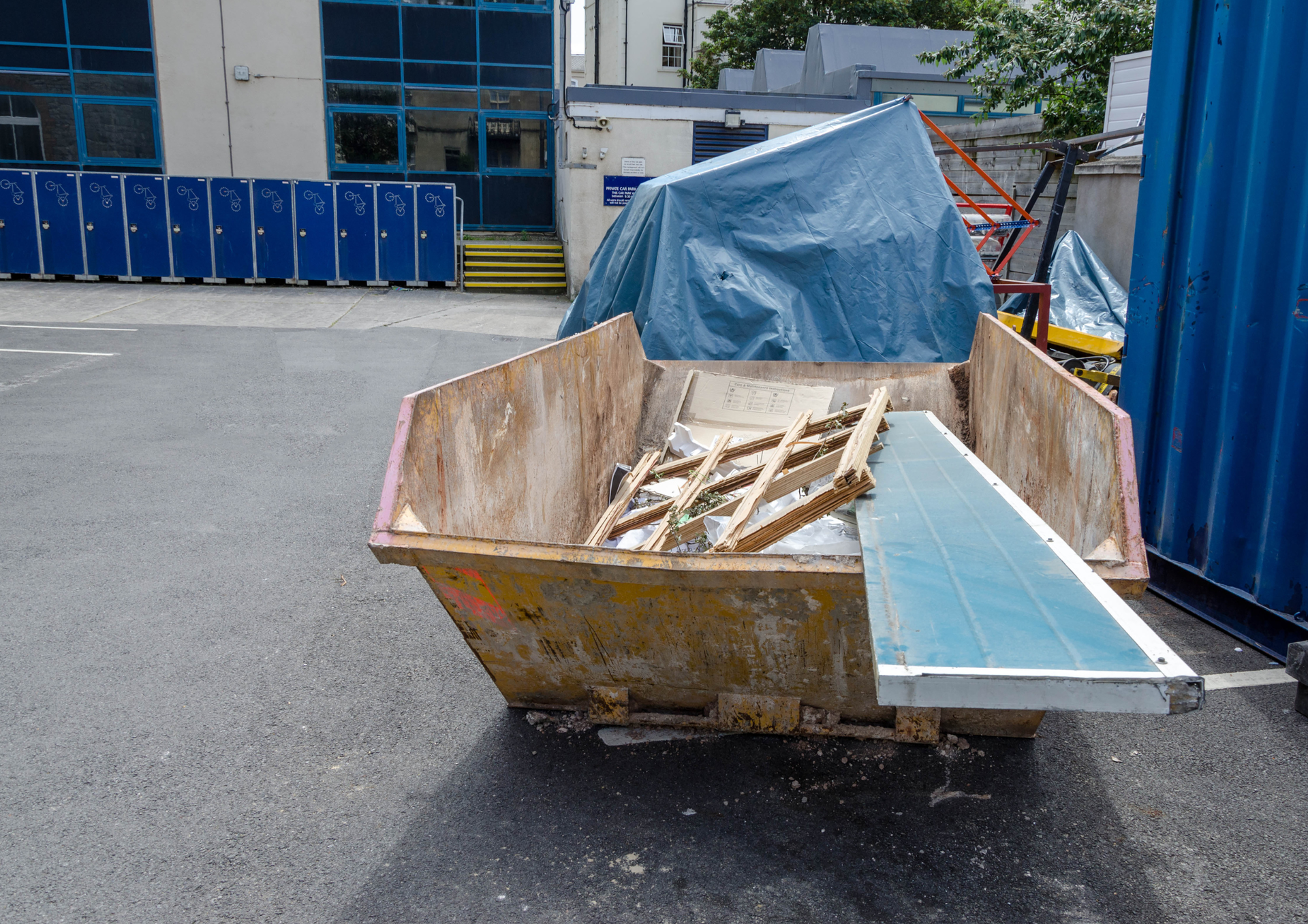


Finding Cheap Skip Hire for Different Types of Waste Projects Easily
Managing waste effectively can make a significant difference to the organisation and progress of a property project. Whether clearing unwanted belongings from a home, renovating several rooms, maintaining an outdoor space or coordinating work at a commercial property, having an appropriate method of storing and removing rubbish helps prevent materials from becoming an obstacle. Finding cheap skip hire can provide a practical balance between affordability and convenience when the service is selected according to the actual requirements of the project.
The most suitable option is not necessarily determined by price alone. Skip capacity, waste type, available space, expected project duration and collection arrangements can all influence whether a particular service represents good value. Choosing without considering these factors may result in a container that is too small, unnecessarily large or unsuitable for the materials being removed.
Homeowners, landlords, surveyors and local authorities can all benefit from assessing their requirements before arranging waste removal. The same principle applies to residential and commercial properties, where waste quantities can vary considerably depending on the scale and nature of the work.
Careful planning therefore provides a better starting point than simply selecting the first available quotation. Understanding how different projects produce different waste streams makes it easier to choose suitable capacity, organise the working area and keep expenditure proportionate to the job.
Matching Waste Removal to Different Types of Projects
Different projects create very different quantities and types of unwanted material. A garden tidy-up may produce branches, plants and old outdoor items, while an internal refurbishment can result in timber, fittings, packaging and construction debris. Considering the project category before booking makes it easier to estimate capacity and arrange waste removal efficiently.
Household Clearances
- Decluttering bedrooms, lofts, garages and cupboards can produce a mixture of furniture, household objects and general rubbish.
- Estimating the volume before work begins can help prevent a smaller container from filling sooner than expected.
- Separating items that can be reused, donated or recycled may reduce the amount of material requiring disposal.
- Clearing one room at a time can make it easier to judge how much capacity remains available throughout the project.
Garden and Outdoor Work
- Garden projects may involve soil, branches, hedge cuttings, old fencing and unwanted outdoor furniture.
- Bulky materials should be considered carefully because they can occupy significant space even when they are relatively lightweight.
- Cutting larger branches or dismantling unwanted structures where appropriate can make more efficient use of available capacity.
- Customers should confirm which garden and landscaping materials are suitable before loading begins.
Renovations and Refurbishments
- Kitchens, bathrooms and general property renovations can generate packaging, old fittings, timber and other building materials.
- Waste quantities can increase rapidly once fixtures and internal components start being removed.
- Planning disposal alongside each stage of the renovation can help prevent rubbish from restricting access.
- Heavier materials may require particular consideration when selecting an appropriate container.
Commercial and Property Management Projects
- Offices, retail premises, rental properties and managed buildings can produce substantial quantities of waste during clearances or refurbishment.
- Project managers should consider both the amount of waste and the available loading area before arranging delivery.
- Scheduling removal around contractors and other site activities can help minimise disruption.
- Anyone searching for the cheapest skip hire near me should compare what is included in the service rather than assessing the advertised figure alone.
Balancing Affordability with a Dependable Service
Price is naturally an important consideration when arranging waste removal, particularly for property owners managing several jobs or projects operating within a defined budget. However, affordability should be considered alongside reliability, capacity and the practical requirements of the site.
A quotation that initially appears particularly low may not always provide the most suitable overall arrangement. Customers should understand what the quoted amount covers, including the expected hire period, delivery and collection arrangements and any conditions relating to the materials being disposed of. Having this information beforehand makes comparisons between providers more meaningful.
Reliability is particularly important when other work depends on the arrival of the container. Contractors carrying out a refurbishment may need an available disposal point before removing fixtures or building materials. Similarly, landlords preparing a property for new occupants may be working towards a specific completion date. Delays in waste removal can interfere with those schedules.
Capacity also affects overall value. Choosing a container that is considerably larger than necessary can mean paying for unused space. Selecting one that is too small may require another arrangement before the project is finished. Estimating waste quantities realistically is therefore an important part of controlling expenditure.
The way materials are loaded can make a difference as well. Large objects can consume valuable capacity when placed into a container without preparation. Where appropriate, dismantling furniture or breaking down suitable bulky items can help use the available space more effectively. Care should always be taken when handling heavy or awkward materials.
Customers comparing budget skip hire should also consider the quality of communication provided before booking. Clear information about sizes, delivery requirements, permitted materials and collection procedures can help prevent misunderstandings and unexpected disruption. A service that provides straightforward guidance can therefore offer better practical value than one selected entirely because of a low initial figure.
Access is another consideration that can influence the suitability of a service. Narrow driveways, restricted roads, parked vehicles and limited manoeuvring areas may affect where a container can be positioned. Discussing these details beforehand allows the provider to understand the property and identify a practical delivery arrangement.
For residential properties, thoughtful positioning can help maintain access for occupants and neighbours. Commercial premises may need to consider staff, customers, deliveries and contractors when identifying a suitable location. Local authorities and property managers may have additional operational considerations depending on the nature of the site.
Good planning brings all of these factors together. Instead of treating waste removal as an isolated purchase, customers can incorporate it into the wider project schedule. This makes it easier to decide when delivery is required, how long the container is likely to be needed and when collection should take place.
Selecting Suitable Capacity Without Paying for Unused Space
Choosing an appropriate size is central to economical waste management. Customers should consider the amount, shape and type of material they expect to remove rather than simply choosing the smallest or largest available option. A realistic estimate can reduce wasted capacity while providing enough room for the project to progress comfortably.
Small Household Jobs
- Minor decluttering, single-room projects and modest garden tidy-ups generally create less waste than complete property clearances.
- Compact options can be useful where available space is limited.
- Customers should still estimate the volume carefully, particularly when disposing of bulky household objects.
- Cheap small skips can be practical for lower-volume projects when their capacity genuinely matches the amount of material being removed.
Medium-Sized Improvements
- Kitchen updates, bathroom work and several-room decorating projects can generate moderate quantities of mixed material.
- Allowing some additional capacity can be helpful when the exact amount of waste is difficult to predict.
- Removing reusable items separately before loading can help preserve space.
- Planning disposal around individual stages of the work can prevent the working area from becoming cluttered.
Larger Renovations and Clearances
- Full property clearances, major refurbishments and commercial projects generally require greater capacity.
- Larger items and construction materials should be considered when estimating the total volume.
- Choosing sufficient space at the outset can reduce the need to interrupt work to arrange additional removal.
- Contractors and property managers can benefit from estimating waste before demolition or clearance activities begin.
Access and Positioning
- The available space at the property should be considered alongside required capacity.
- Driveways, entrances and surrounding obstacles can affect practical placement.
- Commercial sites may need to preserve access for staff, customers and delivery vehicles.
- Discussing positioning requirements before booking can make delivery and collection considerably easier.
Planning Waste Removal from Delivery Through to Collection
Effective waste management begins before the container arrives. Customers who consider access, project timing, waste type and loading arrangements in advance are generally better prepared to keep their working area organised throughout the job.
One of the first considerations should be where the container will be positioned. A suitable location should provide convenient access for loading without unnecessarily obstructing entrances, driveways or working areas. The delivery vehicle must also have sufficient access to place and later retrieve the container.
For homeowners, this may involve checking parked vehicles, gates and driveway dimensions before the scheduled delivery. Landlords managing occupied or shared properties may also need to consider how placement could affect tenants. At commercial sites, delivery should be coordinated around normal operations wherever practical.
The expected duration of the project should also be considered. A concentrated weekend clearance has different requirements from a refurbishment taking place over several weeks. Having a realistic timetable helps customers determine when delivery is most useful and when removal should be arranged.
Waste should then be loaded thoughtfully. Distributing materials sensibly and making efficient use of the available space can help customers gain more practical value from the selected capacity. Large suitable objects may be dismantled before loading, while smaller items can sometimes fill spaces around bulkier materials.
It is equally important to understand what should and should not be placed in the container. Different waste categories may have particular handling requirements, and customers should ask for guidance whenever they are uncertain. Checking beforehand is easier than discovering later that an unsuitable material has been included.
Projects can also change after they begin. A renovation may uncover additional materials, a property clearance may contain more belongings than expected, or outdoor work may expand beyond the original plan. Monitoring remaining capacity as the project progresses makes it easier to respond before waste begins accumulating elsewhere.
When comparing cheap skips, customers should therefore look beyond the container itself. Delivery planning, appropriate placement, clear loading guidance and dependable collection all contribute to the overall usefulness of the service. A well-organised arrangement can help reduce disruption while allowing work to continue at a steady pace.
Collection should be considered as part of the original plan rather than an afterthought. Once the work is complete or the container has reached its permitted capacity, prompt removal helps return valuable space to normal use. This can be particularly important for driveways, commercial yards and properties with limited outdoor space.
The same principles apply regardless of location. Projects vary considerably, but preparation remains one of the most effective ways to make waste removal easier. Understanding what will be discarded, estimating quantities realistically and coordinating disposal with the wider schedule can help residential and commercial customers manage their projects more effectively.
Finding
cheap skip hire involves more than locating the lowest advertised quotation. Good value comes from choosing a service that matches the type of project, expected waste quantity, available space and required timescale. When these elements are considered together, customers are better positioned to avoid paying for unnecessary capacity or dealing with additional arrangements because the original selection was too small.
Homeowners undertaking clearances or renovations can benefit from estimating waste before beginning work. Landlords and surveyors may need to consider property access and project deadlines, while local authorities and commercial property managers may have broader operational requirements. In every case, careful preparation makes waste removal easier to integrate into the project.
Comparing service details is equally important. Delivery arrangements, collection procedures, permitted materials and practical customer guidance can all influence the overall experience. An affordable option that also provides clear communication and dependable organisation is generally more useful than a decision based exclusively on price.
Ultimately, suitable waste management should support the project rather than complicate it. By choosing appropriate capacity, preparing the site and arranging collection at the right stage, customers can keep residential and commercial projects cleaner, more organised and easier to manage from beginning to completion.
Skip Hire Cannock provides practical waste removal support for homeowners, landlords, surveyors, local authorities and those responsible for residential and commercial properties. We understand that customers may be working on anything from a small household clear-out to a larger renovation, property management task or commercial project, so the most appropriate solution depends on the individual requirements of the job.
Our approach focuses on straightforward communication, suitable capacity and organised delivery and collection arrangements. Customers looking for cheap skip hire can benefit from considering overall value alongside affordability, ensuring the selected option provides enough space for their waste without unnecessarily increasing the scale of the booking.
We aim to make the process easy to understand from the initial enquiry onwards. By considering waste quantities, property access and expected project timescales, customers can make informed decisions about their requirements. This practical approach helps waste removal become a manageable part of the wider project, supporting cleaner and more organised working areas until the job is complete.
Check out our latest X update on how to find
cheap skip hire for different types of waste projects easily!
You might also like